Introduction — Why this matters now
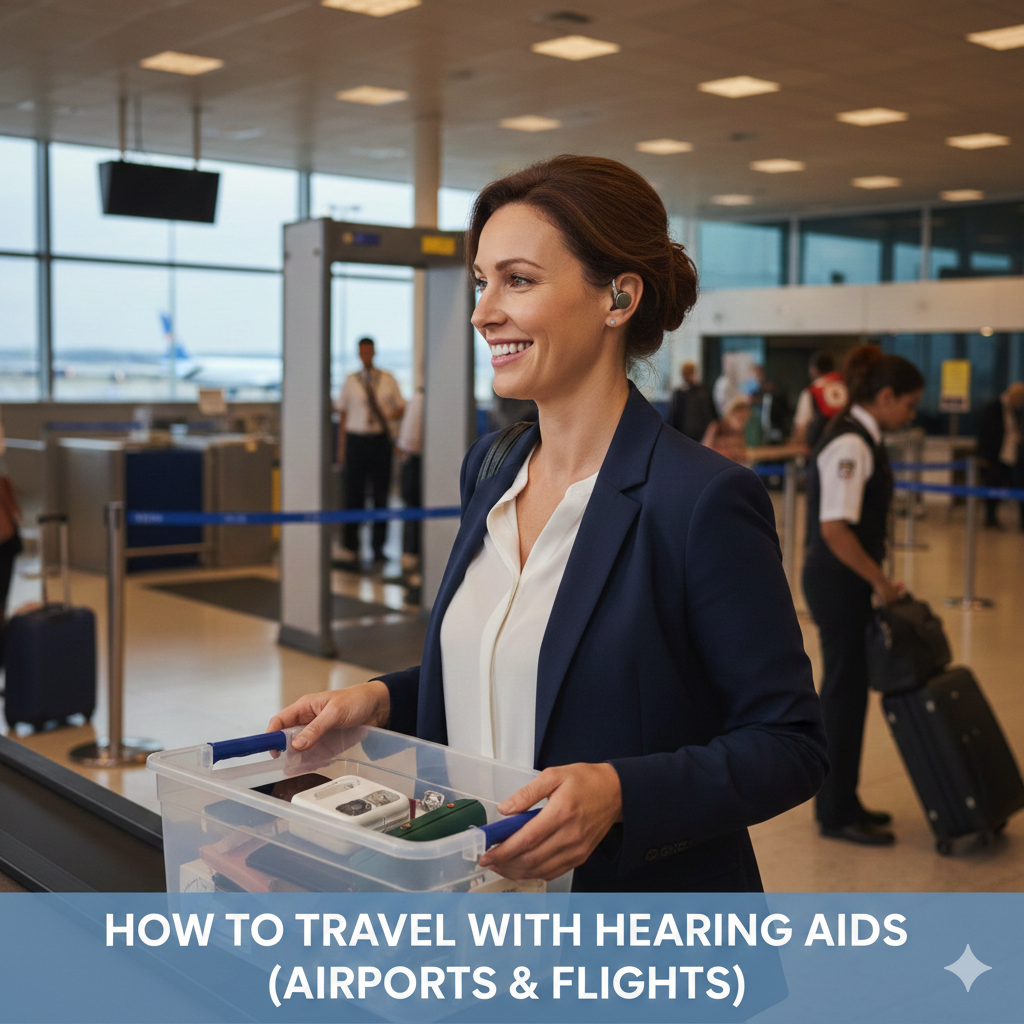
Travel With Hearing Aids: How to Protect Them From Airport to Arrival
Travel with hearing aids exposes devices to the exact risks that shorten their lifespan: moisture, pressure changes, rushed handling, and loss. Airports add another layer of complexity—security lines, metal detectors, unfamiliar routines, and time pressure that make small mistakes easy.
The good news is that hearing aids are highly travel-friendly when you know what to expect. Cabin pressure changes do not damage them, TSA screening is straightforward, and a few smart packing habits prevent nearly all travel-related problems. This guide walks you through airport security, flights, hotels, and daily travel routines—so your hearing aids stay safe, functional, and stress-free from departure to return.
The 40-Second Answer
You can travel safely with hearing aids by wearing them through airport security, keeping them in carry-on luggage, protecting them from moisture and heat, and carrying a small backup kit. Airplane pressure changes do not harm hearing aids.
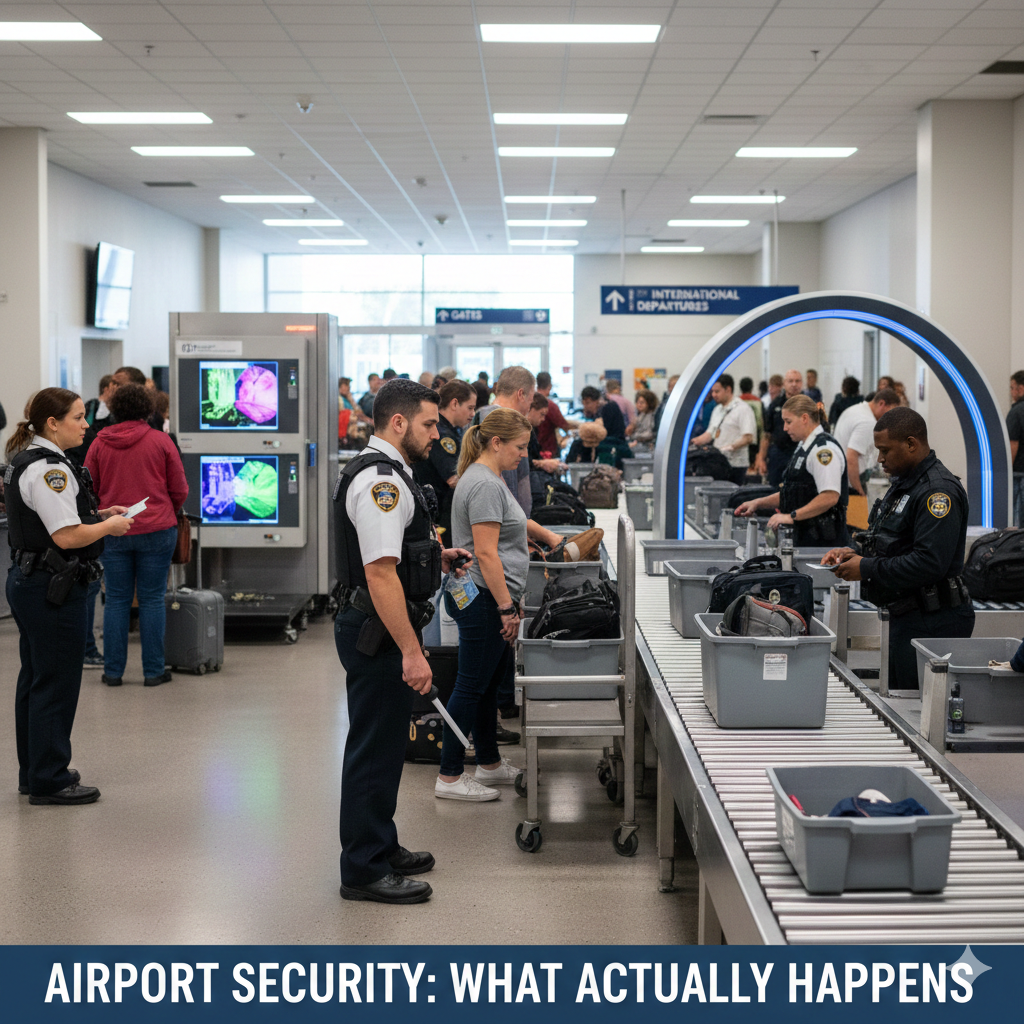
Airport Security: What Actually Happens
Can you wear hearing aids through security?
Yes. You can keep hearing aids on through:
Metal detectors
Full-body scanners
They do not need to be removed.
TSA tips that reduce stress
Inform the officer you’re wearing hearing aids if needed
Avoid placing them in bins (loss risk)
If additional screening occurs, keep aids in your ears
[Expert Warning]
Removing hearing aids in busy security areas is the #1 cause of travel-related loss.
Flying With Hearing Aids: Pressure, Sound & Comfort

Cabin pressure
Safe for hearing aids
No special settings required
During takeoff and landing
Hearing aids don’t affect ear pressure relief
Yawning, swallowing, or gum helps as usual
In-flight comfort
Reduce volume slightly if cabin noise feels overwhelming
Noise reduction may behave differently due to constant engine sound
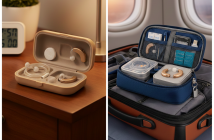
Packing Hearing Aids for Travel (Do This)
Carry-on only
Never pack hearing aids in checked luggage—temperature extremes and loss risk are high.
What to bring
Hard protective case
Drying pouch or case
Extra domes and wax guards
Charger or spare batteries
Cleaning brush and cloth
[Money-Saving Recommendation]
A small backup kit prevents emergency purchases or ruined travel days.
Hotel & Daily Travel Storage
Where to store at night
Nightstand drawer or shelf
Drying case away from bathroom steam
What to avoid
Bathroom counters
Bedside edges
Loose pockets
[Pro-Tip]
Keep hearing aids in the same spot every night—even while traveling—to prevent loss.
Travel Scenarios (And How to Handle Them)
Beach or humid destinations
Dry hearing aids nightly
Limit wear during heavy sweating
Use a drying case daily
Cold destinations
Condensation can form when moving indoors
Wipe aids before storage
Long days out
Bring a small case even for short breaks
Avoid leaving aids on dashboards or window ledges
Common Travel Mistakes (and Better Alternatives)
Mistake #1: Removing aids for naps
Fix: Store them immediately in a case.
Mistake #2: Leaving aids in pockets
Fix: Use a travel case every time.
Mistake #3: Skipping nightly drying
Fix: Dry every night—travel increases moisture exposure.
Information Gain: Travel Doesn’t Break Hearing Aids—Habits Do
Top SERP articles imply flying is risky. In reality:
Pressure changes are harmless
Security scanners don’t damage aids
Loss and moisture cause nearly all travel failures
Your habits—not the travel—determine outcomes.
Unique Section — Beginner Mistake Most Travelers Make
Packing only chargers, not consumables.
Wax guards and domes fail more often during travel due to dust, sweat, and long wear days. They’re tiny—but trip-saving.
Quick Travel Checklist (Table)
| Item | Why It Matters |
| Hard case | Prevents crush damage |
| Drying solution | Moisture control |
| Spare domes/guards | Quick fixes |
| Charger/batteries | No downtime |
| Cleaning cloth | Daily wipe-down |
Internal Linking (Contextual)
“daily safe storage habits” → How to Store Hearing Aids Safely
“moisture limits explained” → Are Hearing Aids Waterproof?
“fix issues on the go” → How to Fix Common Hearing Aid Problems at Home
Watch & Learn (YouTube — contextual)
“Traveling with hearing aids: TSA & flights”
“Hearing aid travel tips and packing list”
(Embed after the airport security section.)
Image & Infographic Suggestions
Infographic: “Travel With Hearing Aids: Do & Don’t”
Alt: travel with hearing aids airport tips
Diagram: “Carry-On Travel Kit Essentials”
Alt: hearing aids travel kit checklist
Visual: “Safe Storage in Hotels & Flights”
Alt: hearing aid travel storage
FAQs
Do hearing aids need to be removed at airport security?
No—you can wear them through screening.
Can airplane pressure damage hearing aids?
No—pressure changes are safe.
Should hearing aids go in checked luggage?
No—always carry them on.
What if my hearing aid stops working while traveling?
Clean, dry overnight, and replace wax guards or domes.
Are hearing aids safe in hot climates?
Yes—with daily drying and heat avoidance.
Conclusion
Traveling with hearing aids is straightforward when you plan for moisture, storage, and consistency. Wear them through security, keep them in your carry-on, dry them nightly, and stick to simple habits. Do that, and your hearing aids will travel as reliably as you do.
Internal link
How to Store Hearing Aids Safely (Daily & Travel)
External link
10 dos and don’ts of travelling with hearing aids | Audiology South