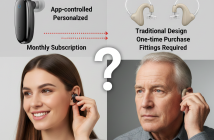
Introduction — Why this matters now
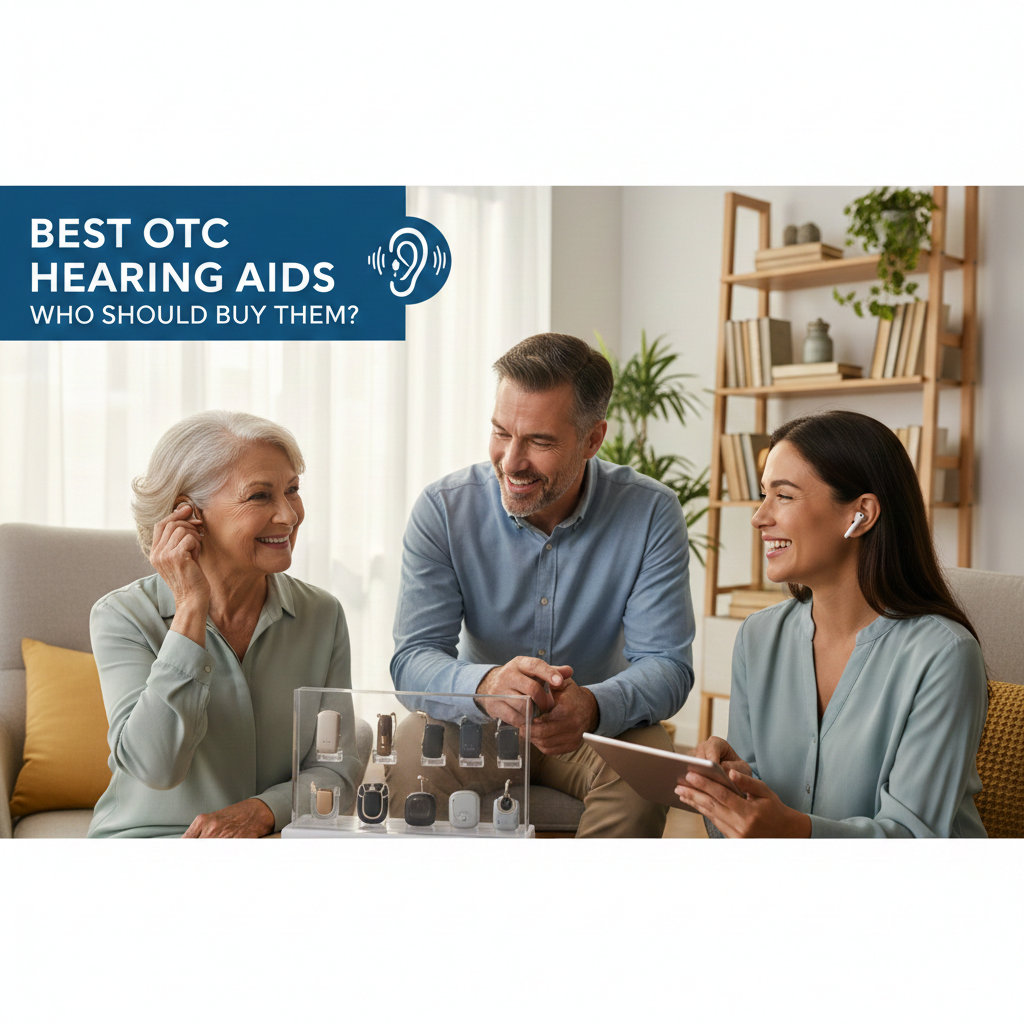
Best OTC hearing aids can work extremely well for the right person—but for the wrong one, they can be a complete waste of money. This sharp contrast explains why online reviews swing so wildly between “life-changing” and “totally useless.”
Since over-the-counter hearing aids became widely available, millions of people have skipped clinics and tried self-fitting devices at home. While this has lowered costs and reduced pressure, it has also shifted responsibility onto the buyer. Without proper guidance, many people choose based on advertising rather than suitability. This article explains who OTC hearing aids actually help, who should avoid them, how to judge real quality beyond marketing claims, and how to decide with confidence.
The 40-Second Answer
The best OTC hearing aids work best for adults with mild to moderate hearing loss who are comfortable using smartphone apps and adjusting settings themselves. They are not ideal for severe hearing loss, complex hearing profiles, or users who want hands-on professional support.
What “OTC Hearing Aids” Really Mean
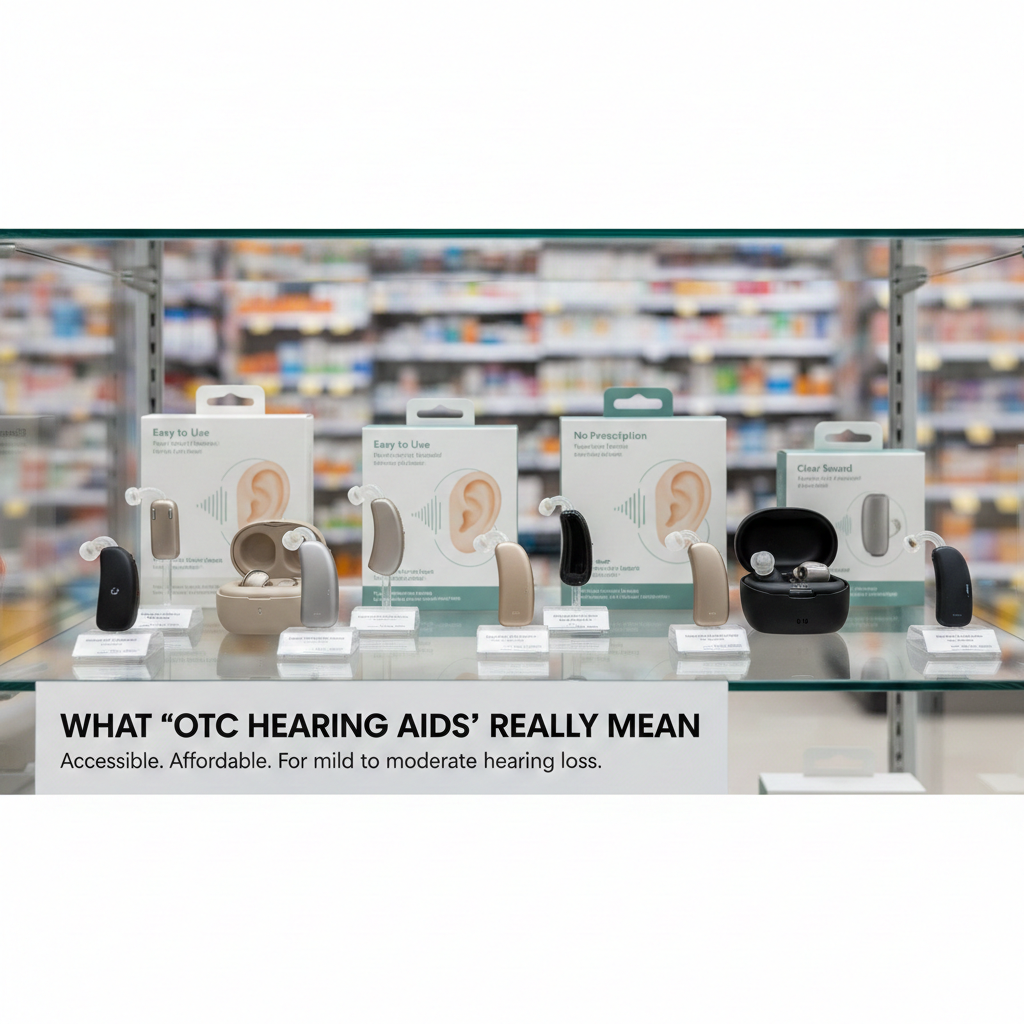
OTC hearing aids are FDA-regulated devices designed for adults with perceived mild to moderate hearing loss. They differ from prescription hearing aids mainly in how they are fitted, not in basic technology.
Key differences from prescription devices
Self-fitting instead of audiologist fitting
App-based tuning rather than in-clinic adjustments
Lower upfront cost
Limited customization for complex losses
[Expert Warning]
OTC does not mean “weaker.” It means self-managed.
Who OTC Hearing Aids Are Usually Right For
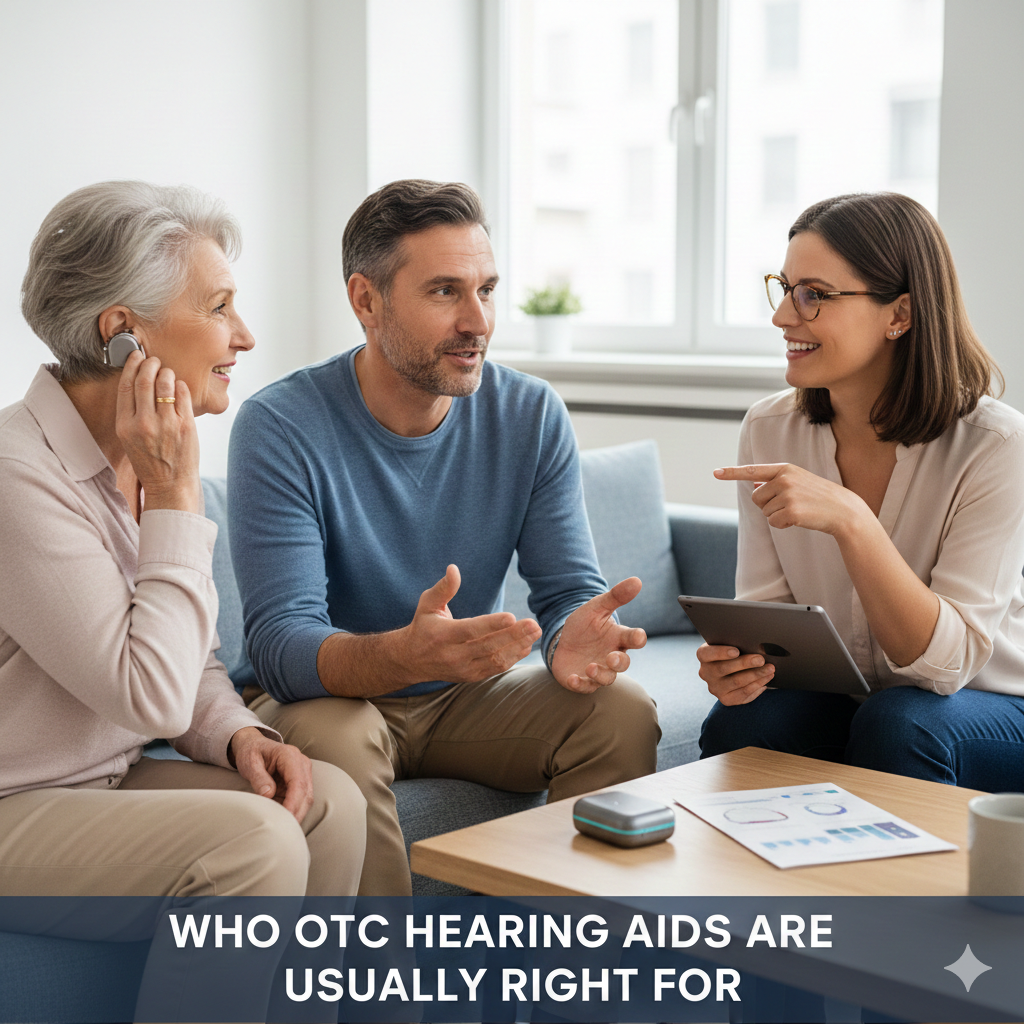
Strong candidates
Mild to moderate hearing loss
Difficulty hearing speech in noise
Comfort using smartphones and apps
Willingness to experiment with settings
Real-life signals OTC may work
You hear voices but miss words
TV volume keeps creeping up
Conversations are tiring, not silent
[Pro-Tip]
People who enjoy tweaking settings (like adjusting EQ in music apps) tend to succeed faster with OTC devices.
Who Should Probably Skip OTC Hearing Aids
OTC hearing aids are not one-size-fits-all.
Poor fit scenarios
Severe or rapidly changing hearing loss
Significant asymmetry (one ear much worse)
Tinnitus without hearing loss
Limited vision or dexterity
Discomfort managing tech independently
[Expert Warning]
If one ear is much worse than the other, OTC self-fitting often underperforms.
Common Mistakes Buyers Make (and How to Avoid Them)
Mistake #1: Buying based on ads or rankings
Fix: Match devices to your hearing profile, not influencer lists.
Mistake #2: Expecting instant clarity
Fix: Allow 2–4 weeks for adaptation.
Mistake #3: Ignoring return policies
Fix: Choose brands with clear trial periods.
Information Gain: Why Return Rates Are High (and What That Means)
Most top-ranking articles don’t explain why OTC return rates are high.
From real user patterns:
Many buyers choose the wrong category, not the wrong brand
Early discomfort is mistaken for device failure
People underuse aids during adaptation
High returns don’t mean OTC is bad—they mean expectations weren’t set properly.
Unique Section — Beginner Mistake Most People Make
Testing OTC hearing aids only in quiet rooms.
OTC devices show their value in motion: grocery stores, offices, group conversations. Quiet testing hides benefits and exaggerates flaws.
OTC Hearing Aids vs Prescription: A Practical Comparison
| Factor | OTC Hearing Aids | Prescription Hearing Aids |
| Best for | Mild–moderate loss | Moderate–severe loss |
| Fitting | Self-guided app | Audiologist |
| Cost | Lower upfront | Higher upfront |
| Adjustments | DIY | Professional |
| Complexity handling | Limited | High |
Practical Tips From Real Users
From real-world OTC users:
Wear aids early in the day
Use speech-in-noise presets first
Make small adjustments—don’t chase perfection
Track improvements by fatigue, not loudness
[Money-Saving Recommendation]
Start with OTC before upgrading—many users never need to move up to prescription models.
Internal Linking (Contextual)
“understanding how devices process sound” → How Hearing Aids Work
“budget-friendly but reliable options” → Best Affordable Hearing Aids
“early adoption decisions” → Hearing Aids for Mild Hearing Loss
Watch & Learn (YouTube — contextual)
“OTC hearing aids explained by audiologists”
“Self-fitting hearing aid test in real life”
(Embed after the comparison section.)
Image & Infographic Suggestions
Infographic: “Who OTC Hearing Aids Are (and Aren’t) For”
Alt: best OTC hearing aids who should buy
Diagram: “OTC Self-Fitting vs Audiologist Fitting”
Alt: OTC vs prescription hearing aids
Visual: “OTC Buyer Decision Path”
Alt: OTC hearing aid decision guide
FAQs
Are OTC hearing aids safe?
Yes, when used as intended by adults with mild to moderate loss.
Do OTC hearing aids work as well as prescription ones?
For the right users, they can work very well.
How long should I try OTC hearing aids before deciding?
At least 30 days with consistent daily wear.
Can OTC hearing aids help tinnitus?
They can reduce awareness if hearing loss is present.
Do I need a hearing test first?
It helps, but OTC devices don’t require one.
Conclusion
OTC hearing aids are neither miracle devices nor gimmicks—they’re tools. For people with mild to moderate hearing loss who are comfortable managing their own settings, the best OTC hearing aids can deliver excellent results at a lower cost. The key is knowing whether you are the right candidate before clicking “buy.”
Internal link
Best Hearing Aids for Seniors Who Use Smartphones
External link