Introduction — Why this matters now
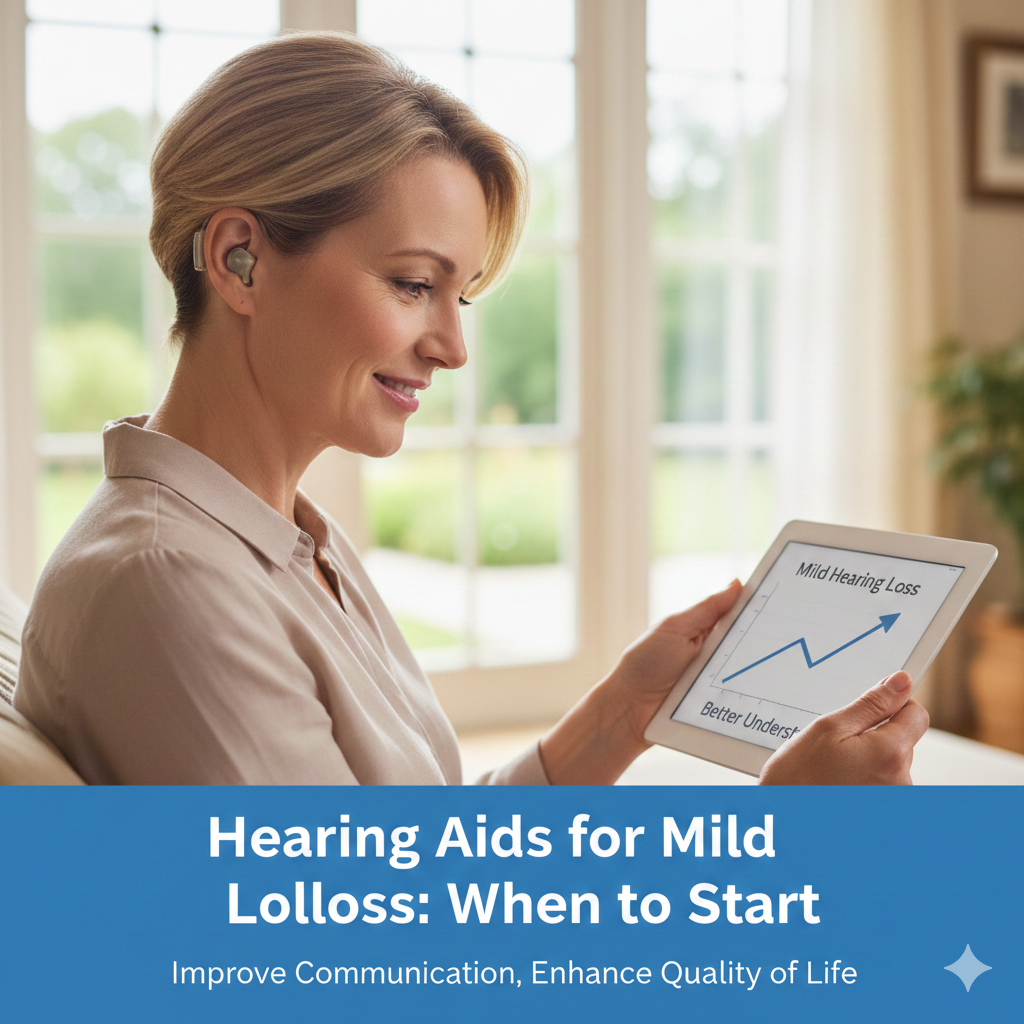
Hearing aids for mild hearing loss can be helpful when clarity, listening effort, or social comfort starts slipping—even if hearing tests still look “almost normal.” This gray zone is where most people feel stuck: doctors say hearing loss is mild, ads push devices aggressively, and friends say, “you’re fine.”
OTC hearing aids have lowered the barrier to entry, making early adoption possible without clinic pressure. But starting too early or waiting too long both have consequences. This article explains how to recognize the right moment, what benefits are realistic, what most people misunderstand about “mild” hearing loss, and how to decide without regret.
The 40-Second Answer
Hearing aids for mild hearing loss make sense when listening effort increases, conversations feel tiring, or speech clarity drops in noise—even if volume seems okay. Early use can reduce strain and support long-term listening ability, but timing and expectations matter.
What “Mild Hearing Loss” Really Means (In Daily Life)
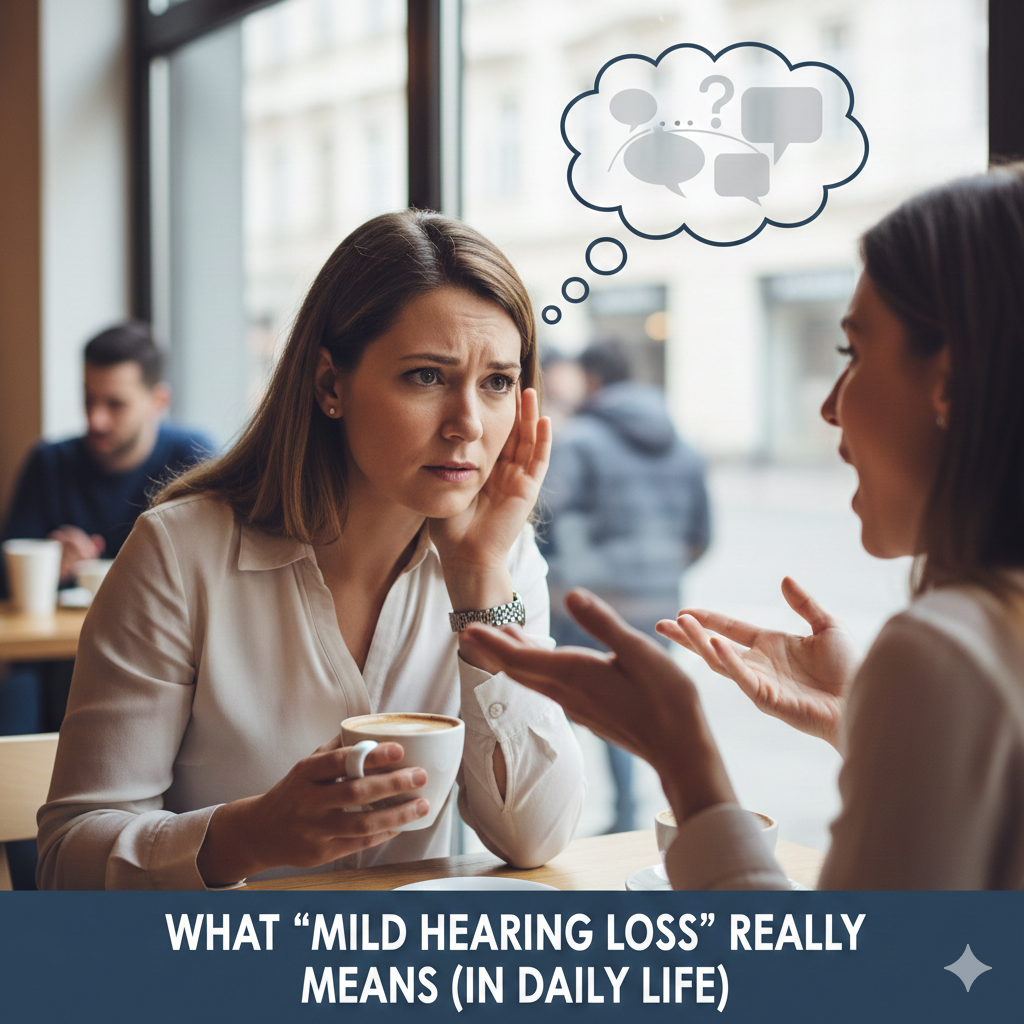
Clinically, mild hearing loss often means:
Soft sounds are harder to hear
Speech is audible but not always clear
Noise becomes exhausting
In real life, it shows up as:
Asking people to repeat—especially women or children
Avoiding restaurants or group conversations
Feeling mentally drained after social interactions
[Expert Warning]
Mild hearing loss isn’t “nothing.” It’s often the stage where people compensate the hardest—without realizing it.
Signs You’re Crossing the “Worth It” Line
Clear signals hearing aids may help
You hear voices but miss words
TV volume creeps up slowly
You rely heavily on lip-reading
You feel relief when subtitles are on
Signals waiting may be reasonable
 j
j
Issues only appear once in a while
Quiet conversations are easy
No listening fatigue after long days
Common Mistakes (and Smarter Fixes)
Mistake #1: Waiting for volume loss
Fix: Pay attention to clarity and effort, not loudness.
Mistake #2: Buying high-power devices
Fix: Mild loss needs precision, not amplification.
Mistake #3: Expecting dramatic change
Fix: Look for reduced effort, not instant wow moments.
[Pro-Tip]
The biggest early benefit most users notice isn’t louder sound—it’s less mental fatigue.
Information Gain: Listening Effort Is the Hidden Metric
Most SERP articles focus on decibel thresholds. They skip listening effort—how hard your brain works to keep up.
With mild loss, your brain fills in gaps constantly. That effort:
Increases fatigue
Reduces focus
Makes social settings stressful
Early amplification reduces that load, even when hearing tests look “borderline.”
Unique Section — Beginner Mistake Most People Make
Using silence as proof they don’t need help.
Quiet rooms mask mild loss. Real difficulty appears in motion—cafés, cars, group chats. Testing hearing aids only at home leads many people to conclude they’re “unnecessary,” then struggle later.
Real-World Scenario: Two People, Same Test
Person A: Mild loss, high social engagement → benefits quickly
Person B: Mild loss, quiet routine → may not notice change yet
Same audiogram. Different lives. Different decisions.
Practical Tips From Experience
From real usage patterns:
Morning wear helps the brain stay ahead all day
Open-fit styles reduce “plugged” feeling
Speech-in-noise programs matter more than volume
[Money-Saving Recommendation]
For mild loss, start with OTC or entry-level options before considering premium upgrades.
Comparison Table: Mild Loss — Start Now or Wait?
| Factor | Start Now | Wait |
| Listening fatigue | Reduced | Increases |
| Social ease | Improves | Often declines |
| Adaptation | Easier | Harder later |
| Cost | Earlier spend | Possible higher later |
Internal Linking (Contextual)
“how amplification actually works” → How Hearing Aids Work
“style comfort differences” → BTE vs RIC vs ITE Hearing Aids
“budget-friendly options” → Best OTC Hearing Aids
Watch & Learn (YouTube — contextual)
“Early signs of mild hearing loss people ignore”
“Why hearing fatigue matters more than volume”
(Embed after the signs section.)
Image & Infographic Suggestions
Infographic: “Mild Hearing Loss vs Daily Effort”
Alt: mild hearing loss listening fatigue explained
Illustration: “Conversation Breakdown in Noise”
Alt: speech clarity mild hearing loss
Visual: “Early vs Late Adoption Timeline”
Alt: hearing aids early adoption benefits
FAQs
Do I really need hearing aids for mild loss?
Not always—but many people benefit sooner than expected.
Can mild hearing loss get worse if untreated?
Hearing loss often progresses, and adaptation becomes harder later.
Are OTC hearing aids enough for mild loss?
Often yes, especially with proper fitting and expectations.
Will hearing aids make hearing worse?
No, when properly set they do not damage hearing.
How soon will I notice benefits?
Reduced fatigue often appears before clarity improvements.
Conclusion
Mild hearing loss is less about volume and more about effort. If conversations feel tiring, social settings feel stressful, or clarity slips in noise, hearing aids can make sense sooner than most people expect. The right time isn’t defined by a number—it’s defined by how listening feels in your life.
Internal link
BTE vs RIC vs ITE hearing Aids: Which Fits Best?
External link